

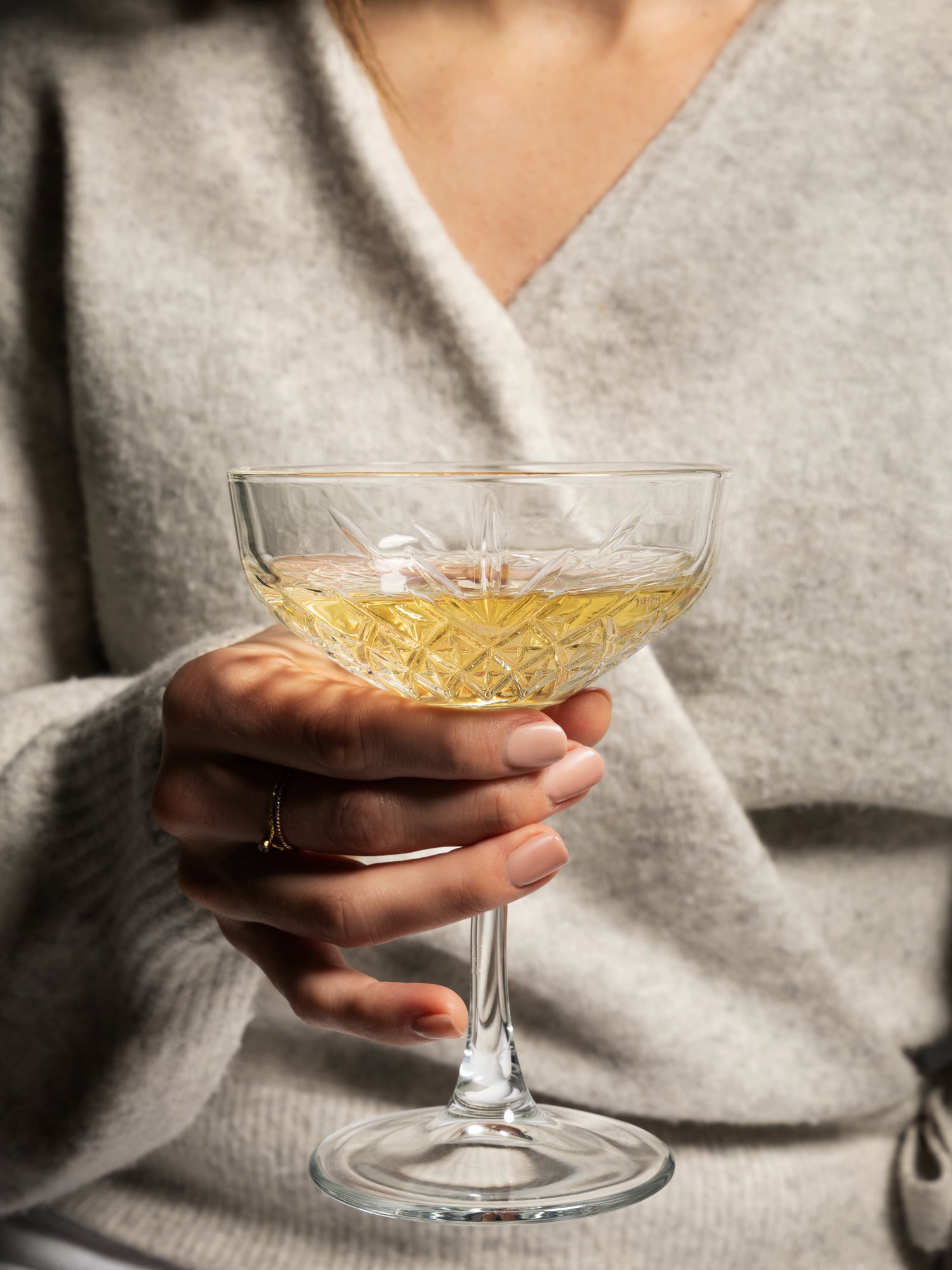
Who was Yvonne Belhomme?
After the Second World War, a woman named Yvonne Belhomme became the first owner of what are now the estate's vineyards in Ambonnay. In a region still rebuilding, she tended the land with resilience, hard work, and a deep respect for what the soil could give and what it needed in return.
Her values never left these vines. When Jean-Philippe decided to build a Champagne house on this same land, there was only one name it could carry.
Yvonne Belhomme Champagne is a reminder that the best things are made slowly, carefully, and with purpose.
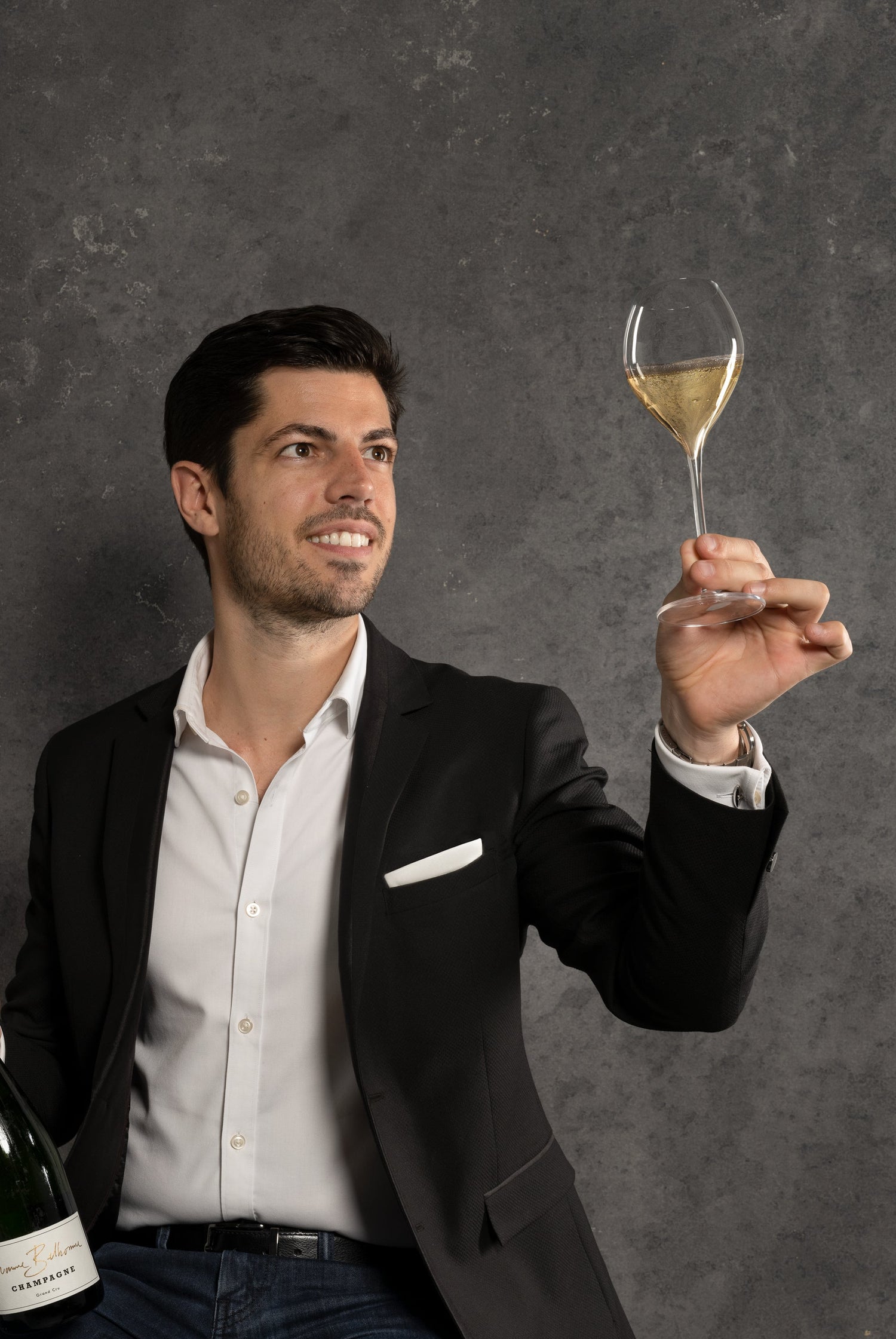
Jean-Philippe - Founder
Jean-Philippe grew up in Reims, at the heart of the Champagne region. After years working in international finance, living in London and across Europe, he came to a realisation that stayed with him: the world had very little access to what Ambonnay's Grand Cru terroir truly produces. Not filtered through the large houses. Not diluted by scale. The real thing, from one place, made by one team.
He returned to his roots with a single purpose. Today, Jean-Philippe personally directs the final assemblage and dosage of every cuvée, ensuring that each bottle is a coherent, consistent expression of the house's vision and Ambonnay's exceptional character.
"I am very proud of our human-scale production and of being surrounded by partners and specialists who truly care about the Grand Cru Champagne tradition, whose only goal is to create an exceptional product, one that carries emotion."
— Jean-Philippe, Founder
Ambonnay, where Grand Cru begins
Ambonnay lies on the southern slopes of the Montagne de Reims. Since 1911, it has held the maximum 100% rating on the Échelle des Crus, the classification system that defines Champagne's finest terroirs. Only 17 villages in the entire region have ever achieved Grand Cru status and none have been added since 1985.
What makes Ambonnay distinctive from other Grand Cru villages, is its unique soil composition and how it impacts the wine. The village sits on a chalk base common to the region, but its topsoils carry a higher proportion of clay than most. That clay retains water, slows vine stress, and pushes the fruit toward greater phenolic development, density, and mid-palate weight. The chalk beneath keeps the acidity in balance, preventing the wines from becoming heavy. The interplay between these two is the defining dynamic of Yvonne Belhomme style.
The village's south and southeast-facing slopes capture enough sunlight to bring Pinot Noir to full ripeness in Champagne's marginal climate, which is a critical advantage that distinguishes it from cooler, more linear sites. The result is a wine built on structure first: darker fruit, spice, mineral restraint, and a texture that is broader and more powerful than most Champagne.
The Yvonne Belhomme estate sit entirely within these Grand Cru parcels. Every grape used in production comes exclusively from this land. Not a single one from elsewhere.
"This terroir is the cornerstone of the house identity and the reason every decision we make starts with the land."
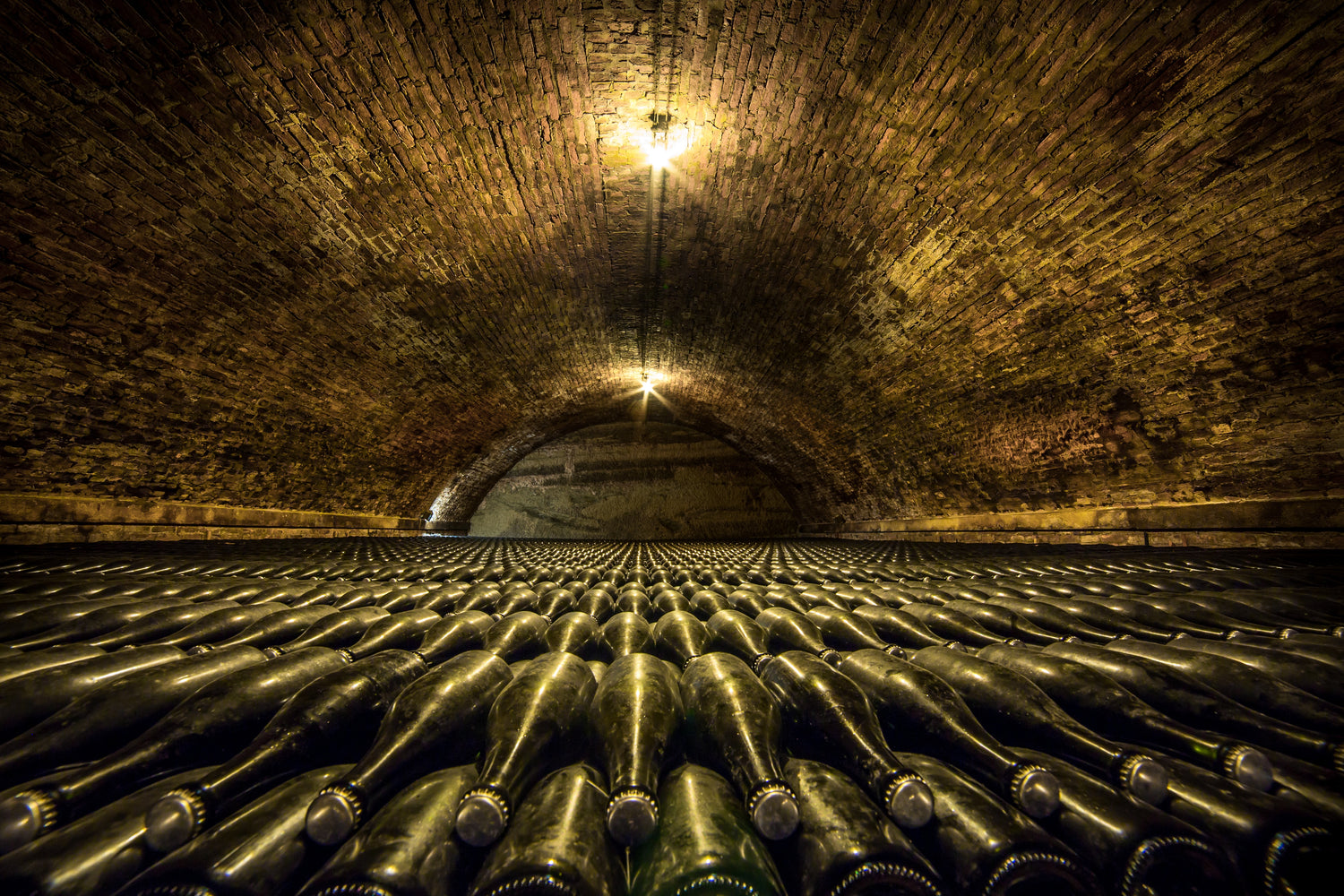
Made entirely here. From vine to label
As an independent Récoltant-Manipulant, Yvonne Belhomme controls every stage of production within the estate's own facilities.
Nothing is outsourced. Nothing is blended in from elsewhere. This independence, rare even among Grand Cru producers, ensures complete traceability and allows the house to work with precision at every stage, from the first harvest to the final cork.
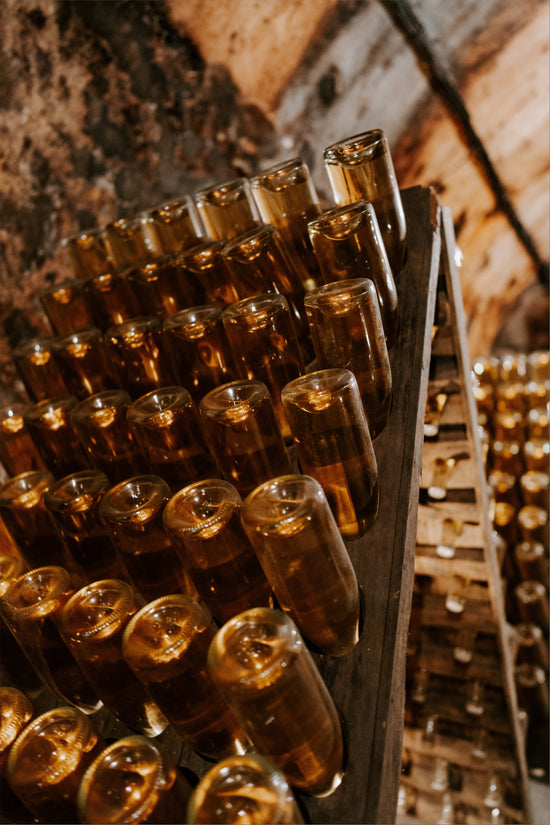
The first fermentation takes place in stainless steel to preserve the purity of fruit. All wines mature for a minimum of three years on lees, double the legal minimum, allowing them to develop the structure, aromatic complexity and textural finesse that define the house style. Wines from different harvests are then blended with precision, preserving the character of Ambonnay year after year. The final assemblage and dosage are personally directed by Jean-Philippe.
-
3 years
Minimum lees ageing
-
Grand Cru
Estate vineyards in Ambonnay
-
90%
Of production exported outside France
Sustainable by nature. Regenerative by choice.
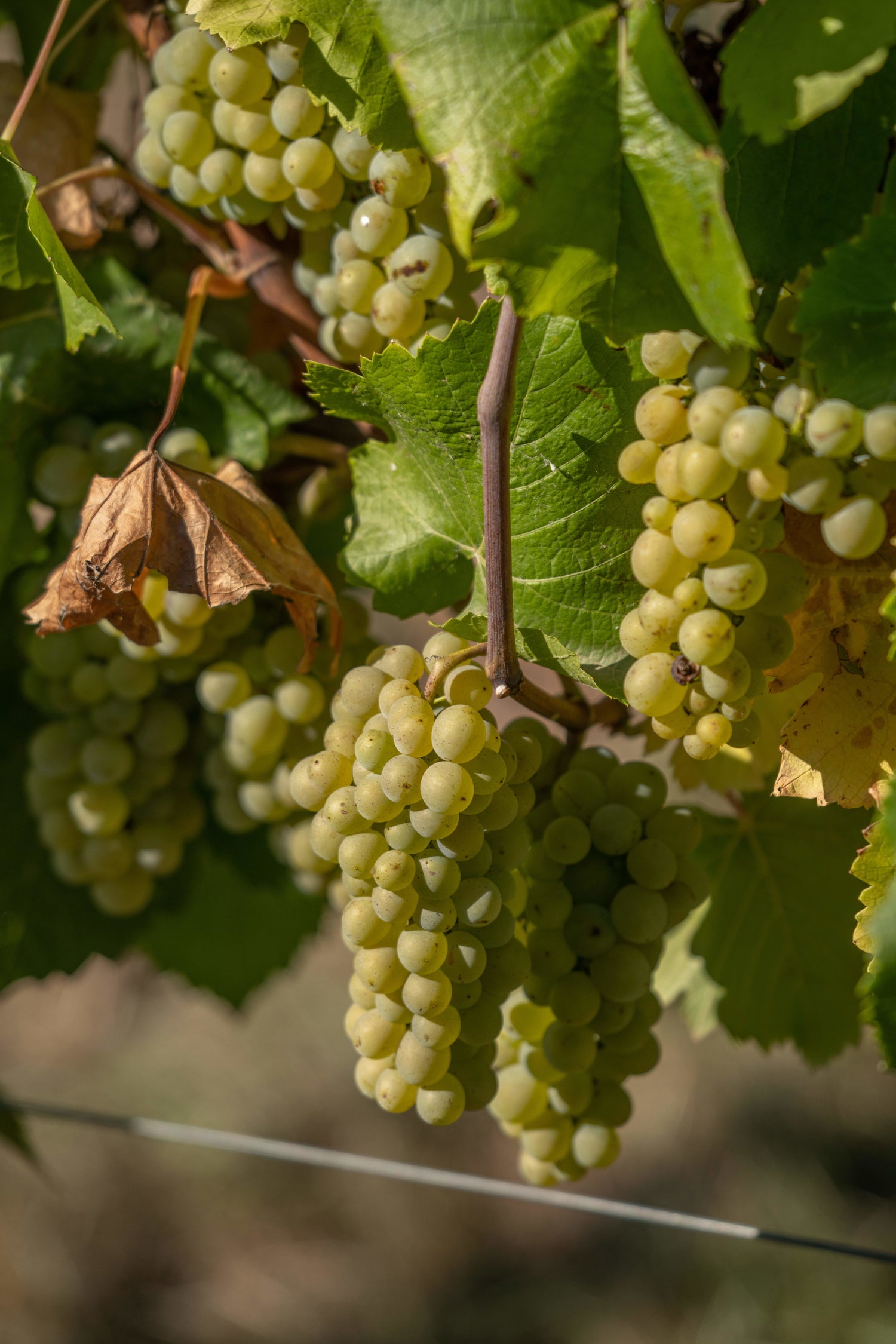
The vineyards are tended exclusively with natural products. No chemicals. No shortcuts.
The soil is managed with a long-term vision: to keep it alive, biodiverse, and fully regenerative, capable of producing exceptional Champagne today, but for generations to come. What we take from the land, we give back.
For the house, this is not a marketing choice. It is a continuation of the values embodied by Yvonne Belhomme herself: respect for the land, careful stewardship, and the quiet belief that true quality begins with the health of the soil beneath your feet.
The estate holds the HQE certification (Haute Qualité Environnementale), which is one of France's most rigorous environmental standards, recognising responsible vineyard management, protection of biodiversity, and long-term care for the land.
Two cuvées. One terroir. No shortcuts.
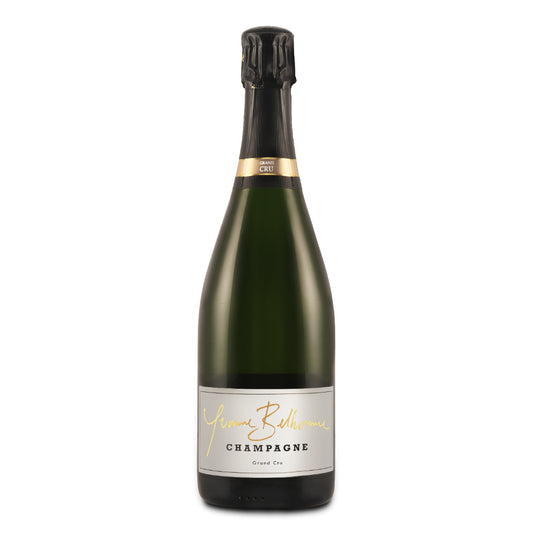
The Brut Grand Cru is the cornerstone of the house: 70% Pinot Noir, 30% Chardonnay, aged three years on lees. Structured, mineral, built for the table as much as the occasion.
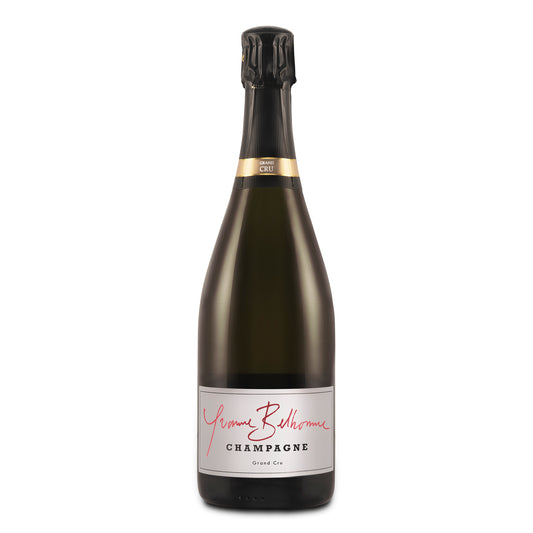
The Rosé Extra Brut Grand Cru, introduced in 2025 after seven years of development, is the second expression of the same land. Chardonnay-led, precise, with a vibrant freshness and a crystalline mineral finish that is entirely its own.
-
Champagne - Grand Cru
- Regular price
- €65,00 EUR
- Regular price
-
- Sale price
- €65,00 EUR
- Unit price
- per
-
Champagne Rosé - Extra Brut - Grand Cru
- Regular price
- €70,00 EUR
- Regular price
-
- Sale price
- €70,00 EUR
- Unit price
- per
An insider's Grand Cru, for the world
The house's goal has always been clear: to make a genuine Grand Cru Champagne available beyond France, to the discerning buyers, sommeliers, and Champagne lovers who value authenticity, precision, and the story behind the label.
Today, 90% of Yvonne Belhomme's production is exported. The Netherlands, Italy and Germany are active markets. The United Kingdom, the world's second largest Champagne market, is next.
Growth is deliberate and unhurried. The same philosophy that governs the winemaking governs the business: no shortcuts, no compromises.
-
The Fundamentals
-
The Crafting Process
-
The Grand Cru Experience
